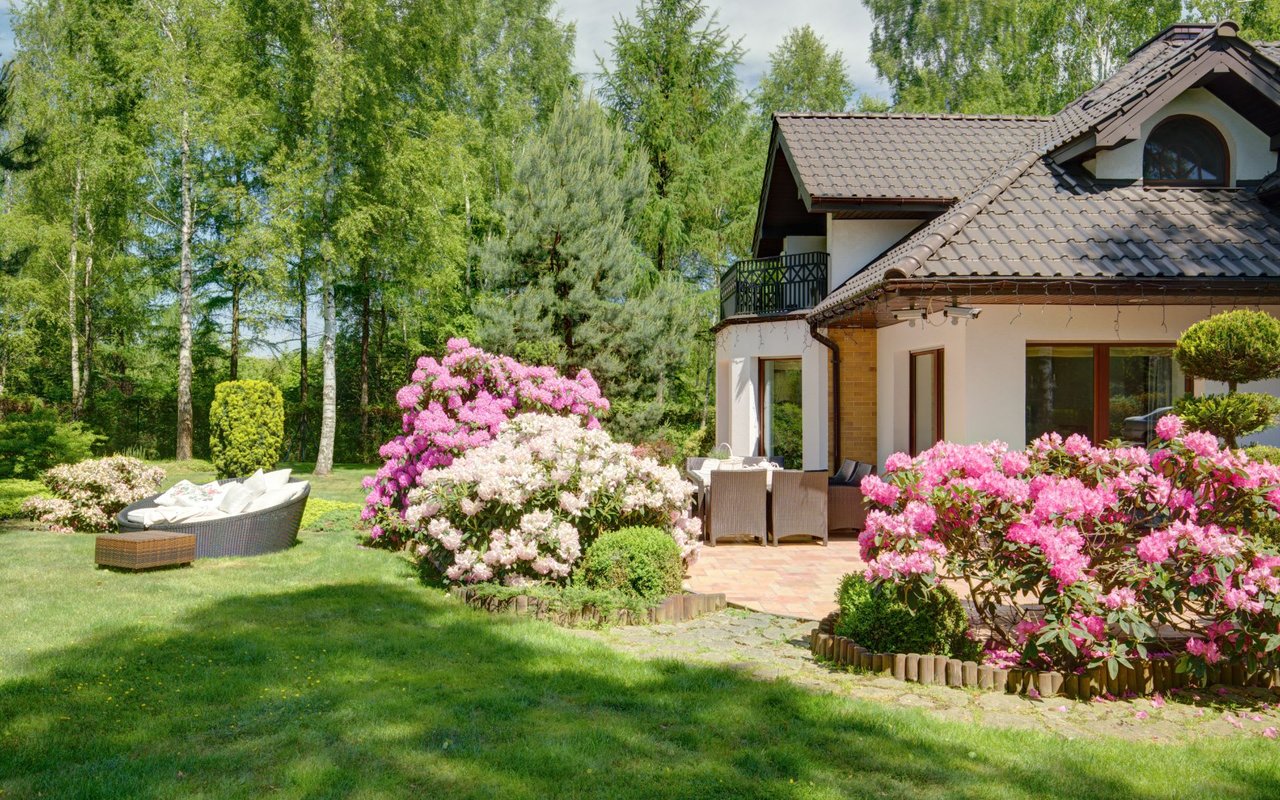
Spring in West Michigan is nothing short of a gift. After months of grey skies and frozen ground, the lakeshore shakes itself awake in April and May with a burst of color, birdsong, and the irresistible urge to get your hands dirty in the garden. Whether you own a charming bungalow in North Muskegon, a newer home in Norton Shores, or a classic lakeside cottage near Grand Haven, your yard is one of your home’s most powerful assets — and spring is the perfect time to invest in it.
In this guide, I’m sharing practical, West Michigan-specific tips for spring landscaping, lawn care, and backyard gardening — along with local resources to help you get the most out of your outdoor spaces. And because I spend a lot of time walking through homes across Muskegon County, I’ll also share what buyers actually notice when they pull up to a property. Spoiler: first impressions matter a lot more than most sellers realize.
Let’s dig in.
1. Start With a Yard Assessment
Before you buy a single bag of mulch, walk your entire property and take honest stock of what you have. West Michigan winters are hard on yards — heavy snowfall, freeze-thaw cycles, and salt runoff from driveways and roads can leave behind real damage. Look for:
• Dead or winter-damaged shrubs and perennials that need to be cut back or replaced
• Frost heave in walkways, patios, or retaining walls (especially common near the lakeshore)
• Bare spots or thinning turf in lawn areas from snow mold or heavy foot traffic
• Drainage issues — low spots where water pools after a spring rain
• Tree branches brought down by ice or wind that need clearing
• Beds that have shifted or lost edging definition over the winter
This assessment becomes your spring punch list. Tackle structural and drainage issues first, then move on to aesthetics. A soggy lawn or crumbling walkway won’t be saved by pretty flowers.
2. Lawn Care Basics for West Michigan Yards
Michigan’s lakeshore climate is generally great for cool-season grasses like Kentucky bluegrass, perennial ryegrass, and fine fescues. Here’s how to set your lawn up for a strong season:
Early Spring (Late March – April)
• Rake out dead grass and matted leaves as soon as the ground thaws. This helps prevent snow mold from taking hold.
• Overseed bare patches with a quality cool-season grass mix. Keep newly seeded areas moist until germination (usually 10–14 days).
• Apply a pre-emergent herbicide by mid-April if crabgrass has been a problem. Timing is everything — apply too late and you’ve missed the window.
• Hold off on heavy fertilizing until late April or May when the grass is actively growing.
Late Spring (May – June)
• Apply a slow-release nitrogen fertilizer once the lawn is actively growing. Look for a 3-1-2 ratio (N-P-K) for established lawns.
• Raise your mower blade. Cutting cool-season grass to 3–3.5 inches encourages deeper root development and shades out weeds naturally.
• Begin a consistent mowing schedule — never removing more than one-third of the blade at a time.
• Core aerate if you didn’t do it last fall. Compacted soil is a common issue in neighborhoods with heavy clay content, which is found throughout much of Muskegon County.
Local Resource: Michigan State University Extension’s lawn care program offers free resources tailored to Michigan homeowners, including soil test kits you can order through your local MSU Extension office. Knowing your soil pH and nutrient levels before you fertilize can save you money and give you better results.
MSU Extension – Muskegon County: extension.msu.edu
3. Spring Landscaping: Beds, Borders & Mulch
Clean, well-defined landscaping beds are one of the fastest ways to improve your home’s curb appeal. This matters whether you’re staying for 20 more years or thinking about putting your home on the market.
Bed Clean-Up
• Cut back ornamental grasses and perennials left standing over winter. Many serve as important overwintering habitat for beneficial insects, so mid-April is generally a good time to tidy them up.
• Divide overgrown hostas, daylilies, and other perennials in early spring before they leaf out. Free plants for other spots in your yard — or share with a neighbor.
• Pull weeds early. A few minutes now prevents hours of work in July.
• Re-edge beds along walkways and lawns for a crisp, finished look. A flat spade or a manual half-moon edger works great and requires no equipment rental.
Mulching Like a Pro
Fresh mulch is one of the highest-ROI spring landscaping moves you can make. It retains moisture, suppresses weeds, regulates soil temperature, and just plain looks good. A few rules:
• Apply 2–3 inches of shredded hardwood or cedar mulch in planting beds. Don’t go deeper — excess mulch can suffocate plant roots.
• Keep mulch 2–3 inches away from tree trunks and shrub stems to prevent rot and pest issues. “Vulcano mulching” (piled up against the trunk) is one of the most common landscaping mistakes we see at home inspections.
• Shredded hardwood mulch is widely available at local garden centers and landscape supply yards in the Muskegon area. Buying in bulk by the yard is significantly cheaper than buying bagged mulch for larger areas.
• Top-dress existing mulch rather than removing it if the old layer is less than an inch deep.
Local Resource: Barry's Greenhouse & Landscape and Lowe’s and Home Depot locations in Norton Shores and Muskegon carry a solid selection of bulk and bagged mulch, perennials, shrubs, and annuals. For a more curated local experience, check out independent nurseries in the greater Muskegon area — staff there can offer region-specific advice you won’t always get at a big box store.
4. Starting a Backyard Vegetable Garden in West Michigan
There’s something deeply satisfying about eating food you grew yourself — and in West Michigan, our soil and climate are genuinely well-suited for home vegetable gardening. Muskegon County falls in USDA Plant Hardiness Zone 6a/6b, with our last average frost date typically falling around May 10–15 for most of the area (earlier along the lakeshore thanks to Lake Michigan’s moderating effect).
Choosing Your Garden Spot
• Most vegetables need at least 6–8 hours of direct sunlight. Observe your yard through the day before committing to a location.
• Avoid low-lying areas where water collects after rain — vegetable roots don’t like wet feet.
• Proximity to a water source matters more than you think once July arrives.
• Start small. A 4×8 foot raised bed or a 10×10 foot in-ground plot is plenty for a first-year garden and much more manageable than going big and getting overwhelmed.
What to Plant and When
West Michigan’s growing season runs roughly late May through early October. Here’s a practical planting guide:
Early Spring (direct sow or transplant outdoors mid-April to early May):
• Lettuce, spinach, arugula, and other salad greens — these thrive in cooler temps and can handle a light frost
• Peas — plant as soon as the soil can be worked
• Radishes, beets, and carrots — direct sow in prepared beds
• Broccoli and cabbage transplants
After Last Frost (typically mid-May in Muskegon):
• Tomatoes — the undisputed garden MVP. Plant transplants after May 15th, and choose varieties with shorter days to maturity for our climate (Early Girl, Celebrity, and Jet Star all perform well in Michigan)
• Cucumbers, zucchini, and summer squash
• Peppers — love the warmth; keep them in the sunniest spot you have
• Beans — direct sow after the soil warms to 60°F
• Basil and other warm-season herbs
Soil Preparation is Everything
Muskegon County soils vary widely — from the sandy lakeside soils in areas near Lake Michigan to heavier clay soils inland. Before planting, amend your garden bed with:
• 2–3 inches of compost worked into the top 6–8 inches of soil
• A balanced vegetable garden fertilizer based on a soil test
• Raised beds filled with a quality garden mix (60% topsoil, 30% compost, 10% perlite is a great recipe)
Local Resource: The Muskegon Farmers Market (open seasonally on Western Avenue) is a great source for locally grown transplants, heirloom varieties, and advice from experienced growers who know our region. It’s also a wonderful reminder of why growing your own food — and supporting local agriculture — matters.
5. Curb Appeal That Adds Real Value to Your Home
I’m a REALTOR®, so I’d be doing you a disservice if I didn’t weave in some perspective on what all this yard work means for your home’s value. Here’s the honest truth:
Curb appeal can account for 5–10% of a home’s perceived value — and in a competitive market like West Michigan, first impressions can be the difference between a buyer scheduling a showing and driving right past. Here’s what buyers notice most:
• Lawn condition — green, thick, and mowed is the baseline. Dead patches, overgrown weeds, or a scalped lawn raises questions about home maintenance overall.
• Defined beds with fresh mulch — this is inexpensive and has an outsized visual impact.
• Trimmed shrubs and trees — overgrown foundation plantings make a house look smaller and signal deferred maintenance.
• Clean walkways and driveways — pressure washing a concrete driveway or front walk takes a couple of hours and transforms the front of a home.
• The front door area — a pot or two of seasonal color flanking the front door is one of the oldest curb appeal tricks in the book, and it works every time.
• Gutters and downspouts — not strictly landscaping, but buyers’ eyes go to gutters. Clogged or sagging gutters suggest drainage issues, which is a red flag.
You don’t need to spend a fortune. A focused weekend and a few hundred dollars in mulch, annuals, and elbow grease can meaningfully improve a home’s presentation. If you’re thinking about selling in the next year, I’m happy to walk through your property with you and identify the improvements most likely to move the needle.
6. Low-Maintenance Landscaping Ideas for Busy Homeowners
Not everyone wants to spend their weekends in the yard, and that’s completely valid. Here are some strategies to get a great-looking yard without a huge ongoing time investment:
• Plant native perennials. Michigan natives like coneflowers (Echinacea), black-eyed Susans, wild bergamot, and native grasses are adapted to our climate, require little to no supplemental watering once established, and support local pollinators. The Michigan Natural Features Inventory (mnfi.anr.msu.edu) is a great resource for identifying native plants suitable for your area.
• Mulch generously. Properly mulched beds need far less weeding and watering. Invest the time once in spring to do it right.
• Install soaker hoses or drip irrigation in vegetable beds and high-maintenance perennial areas. These pay for themselves quickly in time saved.
• Replace problem lawn areas with ground covers like creeping thyme, pachysandra, or native sedges — especially in shady or steep spots where grass struggles.
• Choose shrubs that require minimal pruning — dwarf varieties of spirea, viburnum, and arrowwood are all excellent choices for West Michigan landscapes that stay tidy without constant attention.
7. Trees: Your Yard’s Long-Term Investment
Spring is one of the best times to plant trees, and trees are among the best long-term investments you can make in your property. Research from the USDA Forest Service consistently shows that mature trees can add 10–15% to a home’s appraised value, in addition to providing energy savings through shade and windbreak.
A few trees well-suited to the West Michigan lakeshore environment:
• Sugar Maple — spectacular fall color, long-lived, and iconic to Michigan
• River Birch — beautiful multi-stem form, does well in wetter spots
• Red Oak — drought-tolerant once established, wildlife value is exceptional
• American Redbud — stunning spring bloom, great as a small ornamental
• Serviceberry (Amelanchier) — four-season interest, edible berries, native to Michigan
One important note: If you’re removing any trees larger than 6 inches in diameter, I strongly recommend consulting a certified arborist. Dead or declining large trees are a significant liability and a real concern for home buyers during the inspection process.
Local Resource: The City of Muskegon’s Parks & Recreation Department occasionally offers community tree planting programs. Check the city website (muskegon.us) for seasonal opportunities.
Frequently Asked Questions: Spring Yard Care in West Michigan
When is the last frost date in Muskegon, Michigan?
The average last frost date in Muskegon is typically around May 10–15, though areas right along Lake Michigan may see slightly earlier dates due to the lake’s warming effect. Inland areas of Muskegon County may see frost as late as May 20th in some years. Always watch the 10-day forecast before transplanting frost-sensitive plants like tomatoes and peppers.
What vegetables grow best in Muskegon, Michigan?
Muskegon’s Zone 6 climate is excellent for a wide range of vegetables. Top performers include tomatoes (short-season varieties), zucchini, cucumbers, peppers, beans, lettuce, kale, broccoli, and root vegetables like carrots and beets. Sweet corn grows well in larger gardens. Pumpkins and winter squash are reliable producers for fall harvests.
Does landscaping really increase home value in Muskegon?
Yes, meaningfully so. Well-maintained landscaping improves curb appeal, which directly affects buyer interest and perceived value. In the West Michigan real estate market, homes with clean, maintained yards typically spend less time on the market and command stronger offers. Simple improvements like fresh mulch, defined beds, and a healthy lawn can return several times their cost at closing.
What are good plants for a low-maintenance yard in West Michigan?
Native plants are your best bet for low-maintenance landscaping in West Michigan. Coneflowers, black-eyed Susans, switchgrass, little bluestem, and native viburnums are all well-adapted to our climate and require minimal care once established. They also support local pollinators and beneficial insects, which helps your vegetable garden too.
Should I aerate my lawn in the spring in Michigan?
Fall is generally the preferred time for core aeration in Michigan, as it allows the grass to recover in cooler temperatures. However, spring aeration is beneficial if your soil is heavily compacted or if you missed fall aeration. If you aerate in spring, wait until the lawn has had at least a few mowing cycles and is actively growing — typically mid-to-late May.
Thinking About What Your Home Is Worth This Spring?
Spring is when the Muskegon real estate market starts to move. If you’ve been thinking about selling — whether this year or down the road — there’s no better time to start thinking about your home’s condition and presentation. I help homeowners across Muskegon, Norton Shores, North Muskegon, Grand Haven, and Fruitport navigate the buying and selling process with local expertise and a genuine commitment to your goals.
If you’d like a no-pressure conversation about what your home might be worth in today’s market, I’d love to connect. I can also walk your property with you and share observations from a buyer’s perspective — including where a little spring investment could pay the biggest dividends.
📞 Call or text: 231-215-7229
📧 Email: [email protected]
🏠 Website: ChrisSimpsonWestMichiganRealEstate.com
📍 Five Star Real Estate – Serving Muskegon, Norton Shores, North Muskegon, Grand Haven & Fruitport
About the Author
Chris Simpson is a licensed REALTOR® with Five Star Real Estate, serving the West Michigan lakeshore communities of Muskegon, Norton Shores, North Muskegon, Grand Haven, and Fruitport. With deep roots in the community and a passion for helping buyers and sellers navigate one of Michigan’s most desirable housing markets, Chris is committed to being the most useful real estate resource on the lakeshore. When he’s not helping clients buy and sell homes, you’ll likely find him enjoying everything West Michigan’s outdoor lifestyle has to offer.
Chris Simpson
Five Star Real Estate
3597 Henry St. Ste. 103
Muskegon, MI 49441


